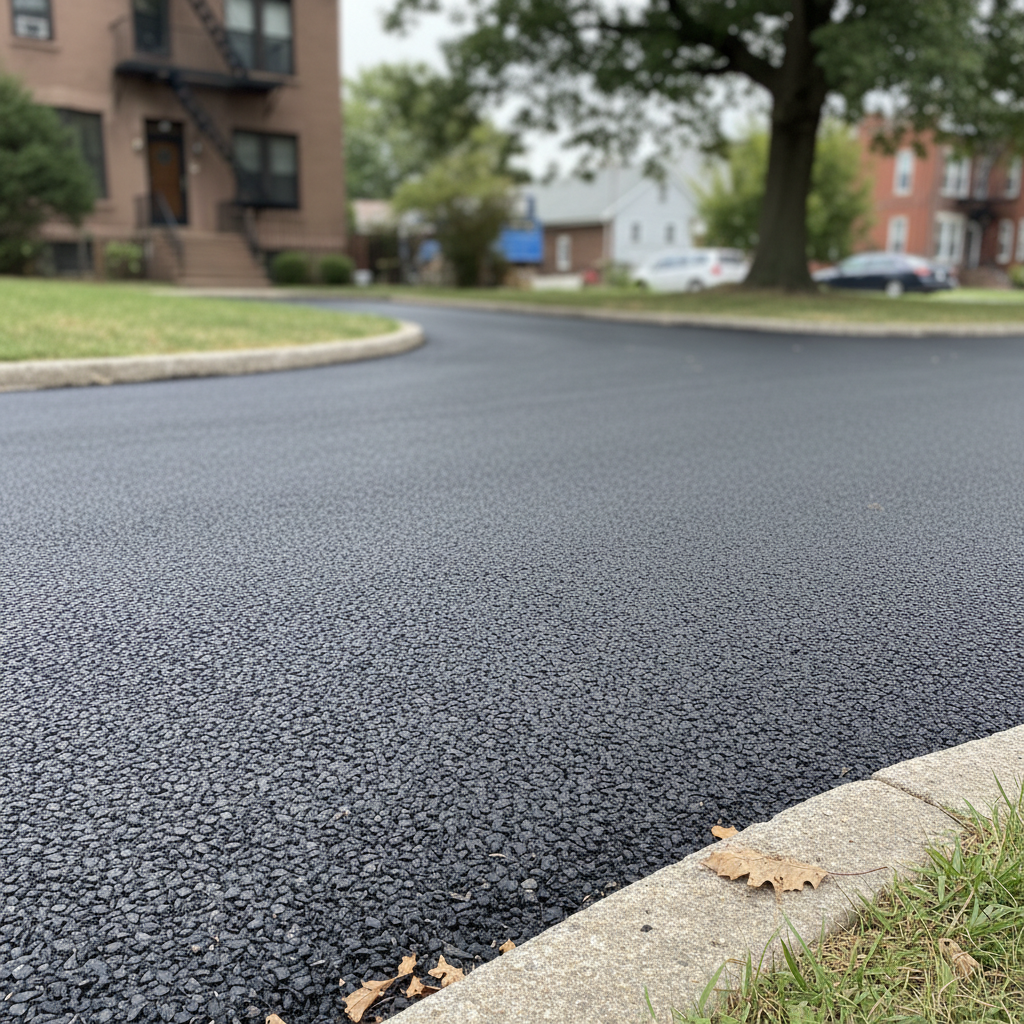
Alright, let's talk asphalt. Maybe you're a homeowner in the Bronx with a big driveway, or perhaps you're thinking about putting in a parking pad for a multi-family house you own. Whatever the situation, you're probably wondering what actually goes into a commercial-grade asphalt job and, more importantly, what you can realistically tackle yourself. Believe me, there's a huge difference between patching a pothole and laying down a whole new surface that's truly built to last.
Before the Shovel Hits the Dirt: Planning Your Project
First things first, you've got to figure out what you're even dealing with. Is this a brand new surface you're building, or are you tearing out an old, cracked mess? That changes everything, doesn't it? If it's new construction, you're looking at excavation, getting the grade just right, and building a really solid base. But if you're replacing something, you've got demolition and hauling away all the old stuff before you can even think about new asphalt.
Here's what you absolutely need to consider:
- Drainage is King: I honestly can't say this enough. Water is asphalt's worst enemy. If your property doesn't drain correctly, you're going to end up with puddles, ice in winter, and cracks popping up in no time. You need a slight slope, usually around 1-2%, to get water moving right off the surface. If your yard is flat as a pancake, or even worse, slopes back towards your house, you'll need to figure out how to direct that water away. Sometimes that means catch basins, French drains, or just a lot of earth moving.
- The Sub-Base Really Matters: This is the foundation, literally. You can't just dump asphalt on dirt and call it a day. You need a compacted layer of gravel or crushed stone underneath. For commercial-grade projects, we're talking about 6-12 inches, depending on how much traffic you expect. Imagine a heavy truck driving over a thin base – that's just asking for trouble.
- Permits: Don't forget the city, especially in a borough like the Bronx. With all its different zoning and historical districts, you might need permits for any significant excavation or changes to your property's grade. Check with the Department of Buildings (DOB) or find a local expediter. You definitely don't want a stop-work order slapped on you halfway through the job.
Could you do some of this yourself? Sure, you can dig. You can even rent a compactor. But getting the grade spot-on, making sure the drainage is perfect, and laying a consistent, thick sub-base? That's where real experience comes into play. If you're off by even a little bit, your expensive asphalt job will start failing way too soon.
During the Project: What to Expect from the Pros
Once you've got the planning sorted, and you've decided to bring in a crew – which, for anything bigger than a small patch, I really do recommend – here's what a good asphalt company like Aim High Asphalt Co. will handle:
- Excavation and Grading: They'll dig out the old stuff or shape the new area. They use laser levels and heavy equipment to get that perfect slope for drainage. This isn't just about moving dirt around; it's about precision.
- Sub-Base Installation: They'll bring in the right aggregate – usually a dense-graded aggregate (DGA) – spread it out evenly, and compact it in layers. Each layer gets rolled until it's rock solid. This step is super important for preventing settling and cracking down the road.
- Asphalt Paving: This is the main event. Hot asphalt mix gets delivered to the site, usually in big dump trucks. A paver machine spreads it out evenly, and then rollers come in to compact it. For a commercial-grade job, you're looking at 2-4 inches of asphalt, sometimes in multiple layers. The asphalt's temperature, the paver's speed, and the compaction technique all play a huge role in the final quality. This just isn't a DIY job, plain and simple. You need specialized equipment and experienced operators to get a smooth, durable finish.
A good crew works fast and efficiently. They're dealing with hot material that cools quickly, so timing is everything. You'll see a lot of coordinated movement, and honestly, it's pretty impressive to watch when they do it right.
After the Paving: Curing and Maintenance
So, the asphalt's down, and it looks fantastic. Now what? You can't just drive on it immediately. It needs time to cure. Depending on the weather – and let's be honest, our Bronx weather can be all over the place – that could mean a few days to a week or more before you put heavy vehicles on it. The asphalt stays soft and pliable for a while, and you really don't want to leave ruts or tire marks.
Here's how to keep your new asphalt looking good and lasting a long time:
- Sealcoating: After about 6-12 months, once the asphalt has fully cured, you'll want to get it sealcoated. Think of it like sunscreen for your driveway. It protects against UV rays, water, and chemicals like oil and gas. You can do this yourself for smaller areas if you're handy, but for a large commercial-grade surface, a professional job will give you better coverage and durability. We usually recommend sealcoating every 2-4 years, depending on how much traffic it sees and how much sun it gets.
- Crack Filling: Even with the best installation and sealcoating, cracks can pop up over time. It's just inevitable with our freeze-thaw cycles here in the Northeast. Fill them promptly! Water getting into cracks and freezing is exactly what causes potholes. You can buy crack filler at hardware stores and tackle minor cracks yourself. Just make sure the crack is clean and dry before you apply anything.
- Cleaning: Keep it clean, okay? Sweep off dirt, leaves, and any debris. Got oil spills? Clean them up quickly with an absorbent material and a degreaser. Don't let chemicals just sit there on the surface.
For small repairs, like a minor crack or a tiny pothole, you can absolutely tackle that yourself with some cold patch or crack filler. But if you're seeing widespread cracking, significant settling, or large potholes, that's usually a sign of a deeper issue with the base, and you'll definitely need to call in the pros. Trying to patch a failing foundation is just throwing good money after bad.
Look, a good asphalt job is an investment. It really adds curb appeal and makes your property more functional. Do your homework, ask questions, and don't be afraid to get multiple quotes. But most importantly, know when to step back and let the experts handle the heavy lifting. That's how you get a surface that'll truly stand up to years of Bronx traffic and weather.